
Gabon · Policy & Ecosystem
The Libreville Conference on Iboga & Ibogaine: Building the Future From the Source
Why the global conversation around iboga must include Gabon not simply as a source of material, but as a scientific, cultural, policy, and economic participant.
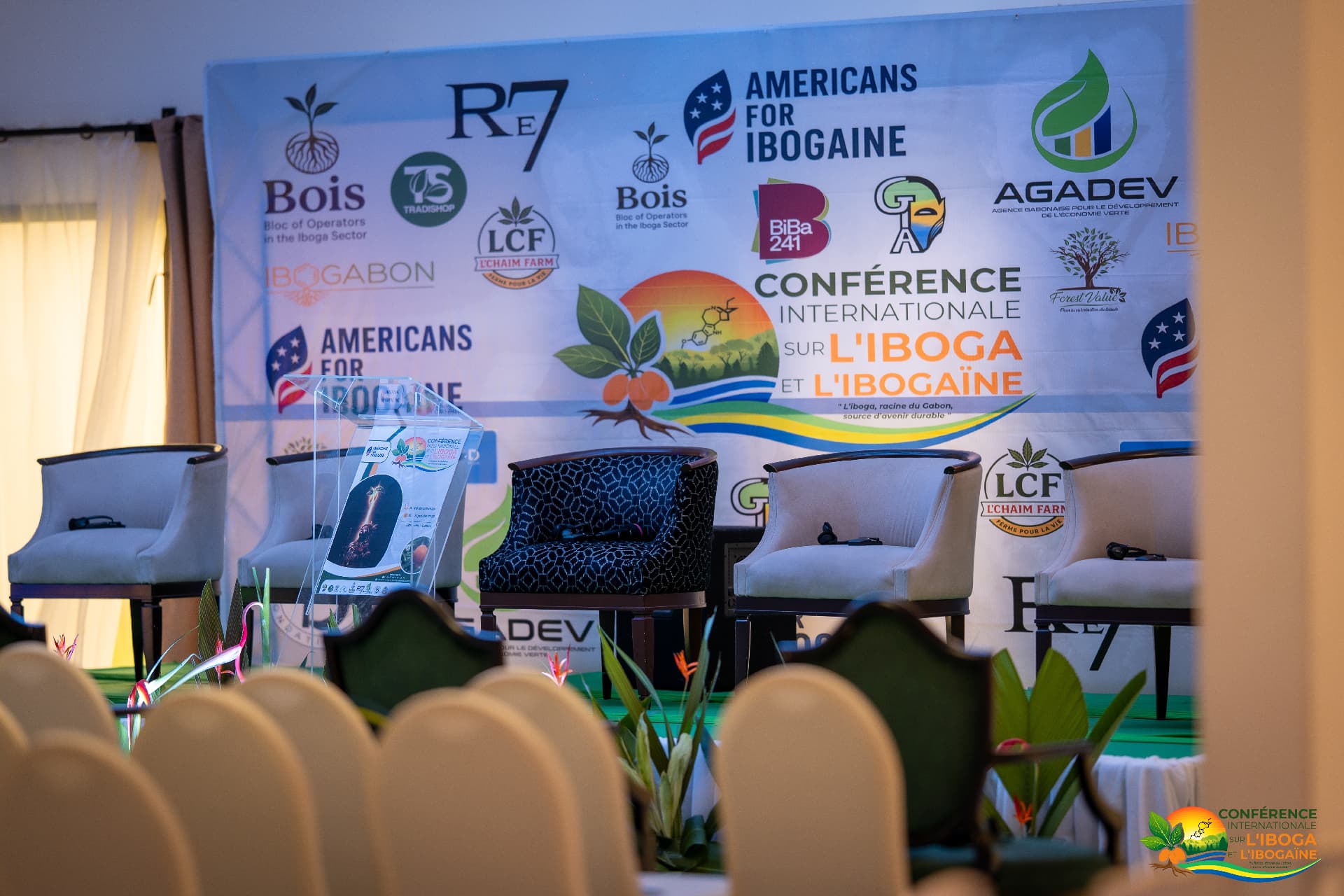
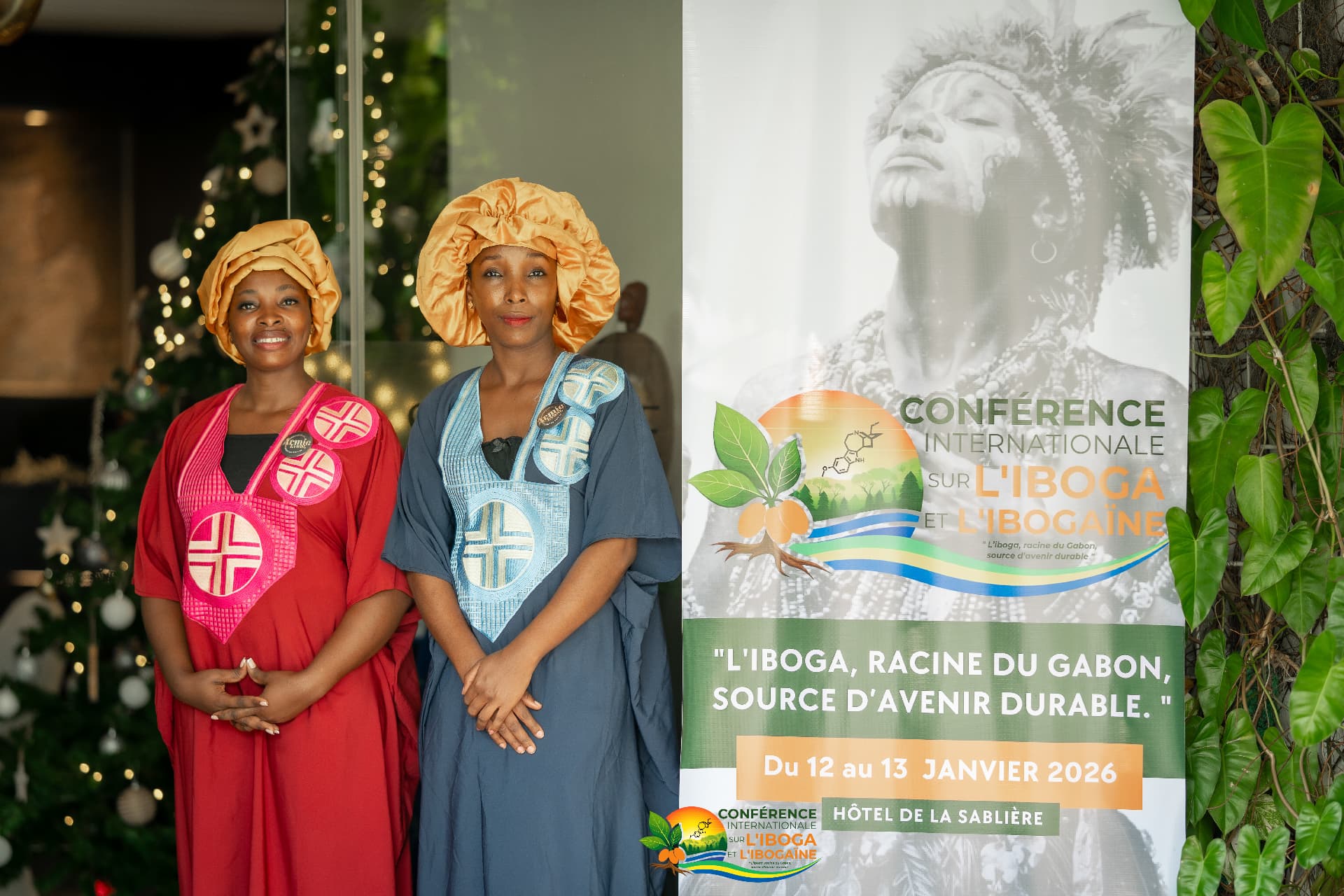
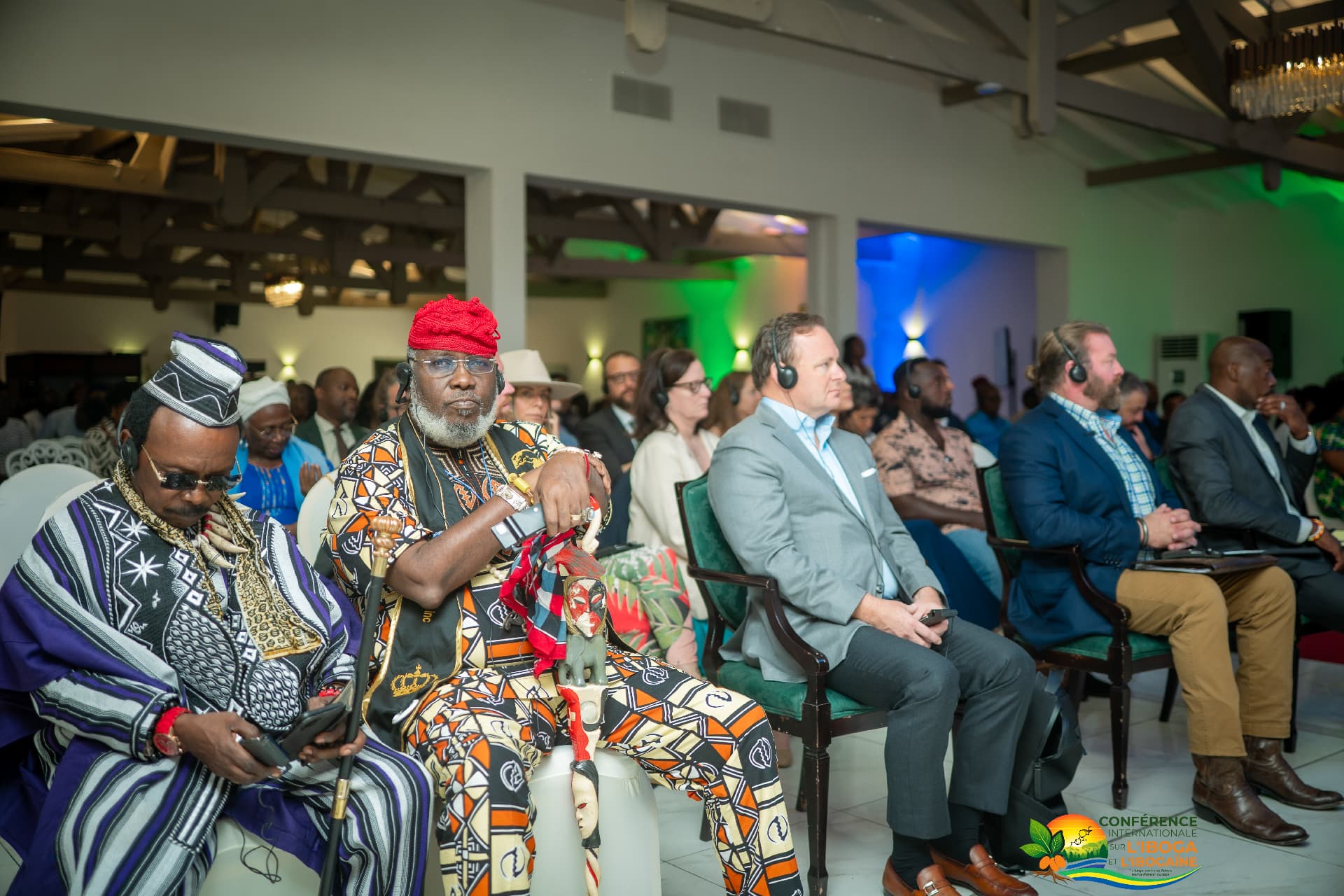
On January 12 and 13, 2026, Libreville became the center of an international conversation about iboga and ibogaine.
The first International Conference on Iboga & Ibogaine brought together a diverse group of participants around an increasingly important set of questions.
What happens as global scientific interest in ibogaine accelerates?
How should Gabon's botanical resources be protected?
How should traditional knowledge be recognized?
Where should research take place?
Where should products be developed?
Who participates economically?
And what does responsible international collaboration actually look like?
Reset Health participated in organizing the conference alongside Gabonese and international partners as part of an effort to bring those conversations closer to the source.
Why Libreville mattered
International discussions around ibogaine have historically occurred predominantly outside Gabon.
Research papers are published abroad.
Treatment discussions often center on clinics outside Central Africa.
Investment discussions occur in North America and Europe.
Policy debates increasingly take place in foreign legislatures.
Yet iboga is deeply connected to Gabon.
Its cultural significance long predates modern pharmaceutical interest in ibogaine.
For Reset Health, that made the location of the conference important.
Libreville was not simply a convenient venue.
Holding the conversation in Gabon changed the frame.
It made it more difficult to discuss the future of iboga without discussing:
- Gabonese institutions
- Traditional knowledge
- Conservation
- National policy
- Local research
- Economic participation
- Scientific infrastructure
- Responsible sourcing
The source became part of the conversation.
Bringing different worlds into one room
The future of iboga cannot be shaped by one discipline alone.
It sits at the intersection of several communities that do not always speak the same professional language.
Scientists may focus on pharmacology and evidence.
Clinicians may focus on safety and patients.
Traditional practitioners may approach iboga through cultural, spiritual, and community frameworks.
Government officials may focus on sovereignty, regulation, public health, and economic development.
Conservation stakeholders may focus on biodiversity and sustainable availability.
Companies may focus on manufacturing, intellectual property, financing, and product development.
Those interests can overlap.
They can also conflict.
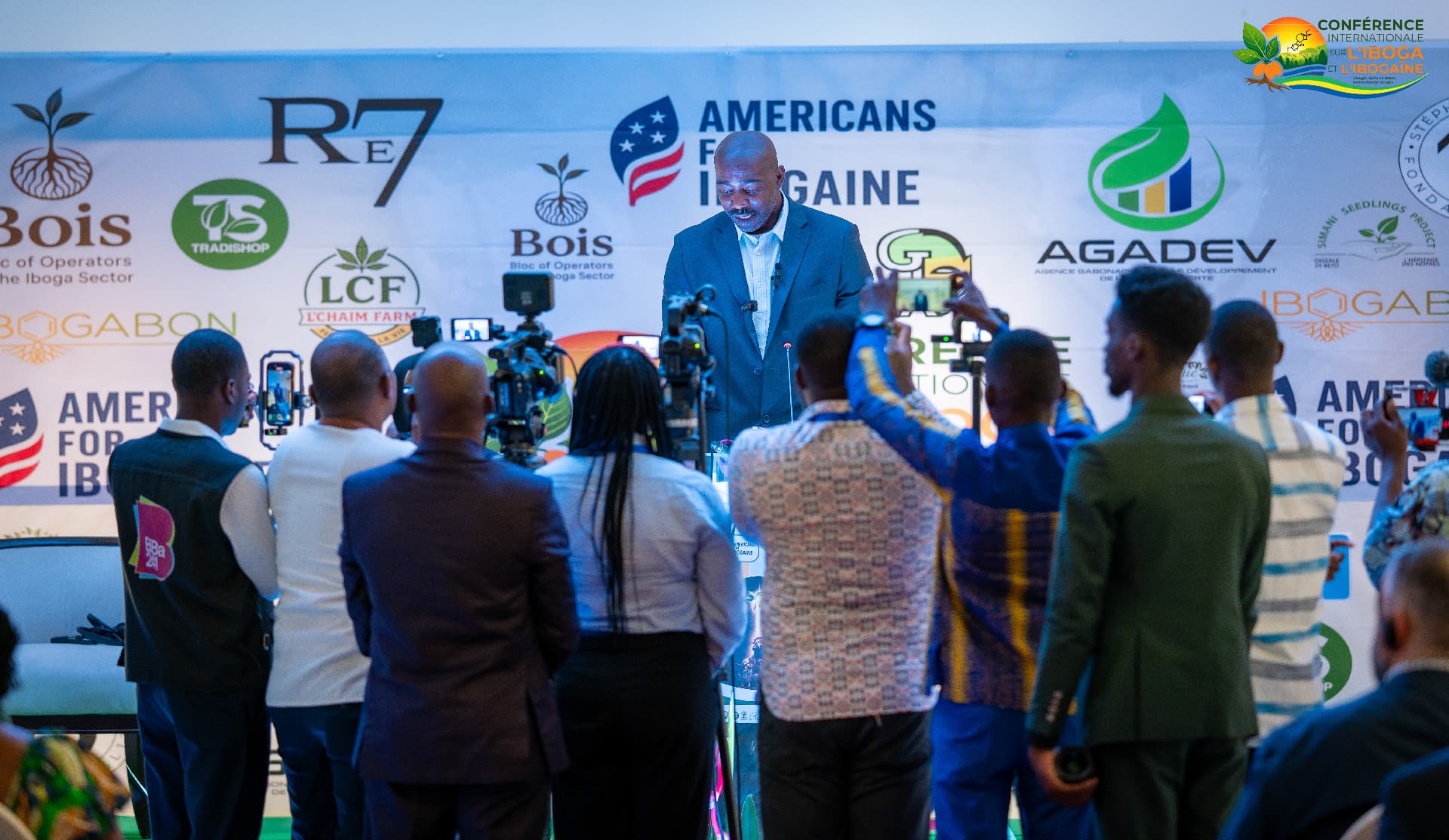
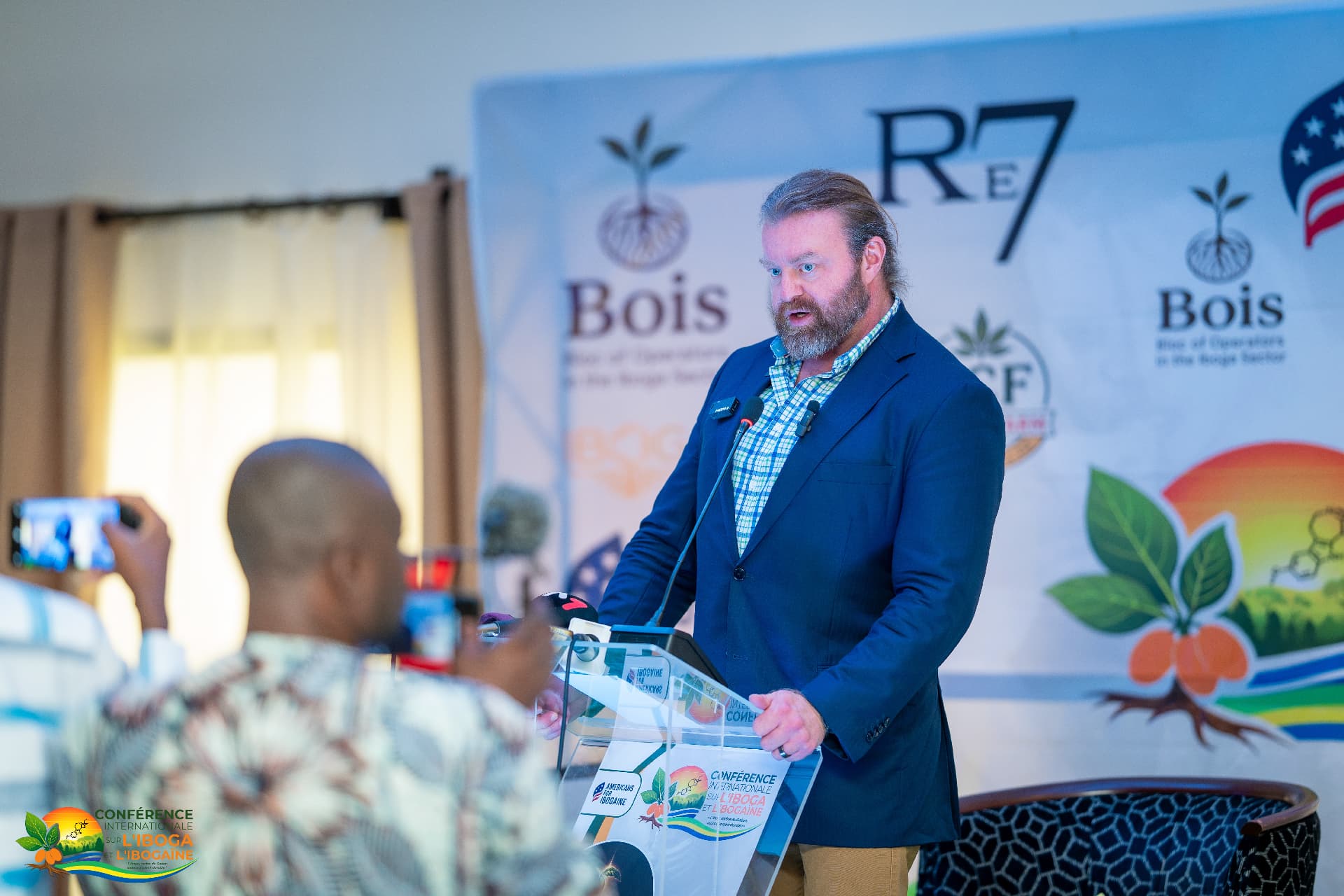
The conference created a forum in which those different perspectives could begin engaging with one another directly.
That dialogue is important because the future of ibogaine will require more than scientific enthusiasm.
It will require systems.
Scientific opportunity and scientific responsibility
Ibogaine has attracted significant international interest because of research and reports surrounding substance-use disorders and other potential therapeutic applications.
That interest creates opportunity.
It also creates risk.
Therapeutic development requires disciplined research.
Important questions remain around areas including:
- Safety
- Cardiac risk
- Dosing
- Pharmacokinetics
- Drug interactions
- Patient selection
- Treatment protocols
- Manufacturing quality
- Long-term outcomes
The responsible response to growing interest should therefore not be to reduce scientific standards.
It should be to increase them.
One theme that emerged around the conference was the importance of stronger research infrastructure and scientific participation within Gabon itself.
If ibogaine becomes increasingly important internationally, Gabon should have the capacity not simply to observe that research but to participate in producing it.
The question of the botanical resource
There is another fundamental issue.
Any significant growth in international interest creates potential pressure on the plant itself.
A sustainable future requires thinking beyond immediate supply.
Questions surrounding cultivation, harvesting, conservation, traceability, and biodiversity must become part of the development conversation.
A supply chain can appear successful commercially while becoming unsuccessful ecologically.
That is not sustainable development.
Long-term planning requires systems that can eventually help answer questions such as:
Where did material originate?
Was it cultivated or harvested?
How much material is being removed?
How quickly is it being replaced?
Which regions face the greatest pressure?
How can cultivation reduce pressure on wild resources?
These issues connect environmental stewardship directly to industry development.
Traditional knowledge cannot be separated from the story
Iboga is not simply a plant that modern science recently discovered.
Its use and significance in Gabon are deeply connected with traditional knowledge and cultural practice.
As international scientific and commercial interest increases, recognition of that history becomes more important, not less.
Responsible development should therefore ask:
How are traditional knowledge holders represented?
How are cultural contributions acknowledged?
What forms of participation are appropriate?
How can cultural knowledge be protected from misrepresentation?
How should benefits associated with commercial development be shared?
There will not necessarily be one answer that applies to every community.
That is precisely why meaningful engagement matters.
Local transformation
Another central issue is where economic transformation takes place.
If botanical material is exported in raw form and most subsequent processing occurs abroad, much of the value chain leaves with it.
A different development model would seek to increase the amount of value created within Gabon.
That can include:
- Cultivation
- Authentication
- Extraction
- Purification
- Analytical testing
- Manufacturing
- Research
- Training
- Scientific employment
- Intellectual-property participation
- Clinical research
- Regional pharmaceutical development
Local transformation can strengthen both economic participation and scientific capability.
The future of iboga should be built with Gabon, not merely from Gabon.
From conference to framework
A conference is valuable only if the conversation influences what happens afterward.
One important outcome associated with the Libreville gathering was the development of the Libreville Call to Action.
The framework emphasized themes including:
- Gabonese leadership and sovereignty surrounding iboga
- Recognition of traditional knowledge
- Responsible international partnerships
- Greater local transformation
- Scientific research and capacity within Gabon
These principles represent a starting point rather than an endpoint.
The difficult work begins after the declarations.
How should traceability systems actually operate?
How should reciprocity mechanisms be structured?
What constitutes meaningful community participation?
How should cultivation scale?
How should scientific collaborations be governed?
How should benefits be measured?
How should disagreements be resolved?
The credibility of any framework will ultimately depend on implementation.
Reciprocity must become operational
The word reciprocity is increasingly used across emerging natural-products and psychedelic industries.
But the term has limited value unless it becomes concrete.
For Reset Health, reciprocity should evolve toward documented programs.
That may include areas such as:
- Scientific education
- Research capacity
- Cultural preservation
- Conservation
- Community infrastructure
- Local employment
- Institutional partnerships
- Economic participation
Different initiatives will require different governance models.
But they should share a common principle:
Benefits should be identifiable.
Participants should be identifiable.
Commitments should be documented.
Progress should be reportable.
Reciprocity should move from sentiment to structure.
Gabon as a scientific participant
Perhaps one of the greatest long-term opportunities is to change how Gabon is positioned within the global iboga ecosystem.
Gabon should not be defined exclusively as the botanical origin of iboga.
It can also become:
A research center.
An analytical center.
A manufacturing location.
A training environment.
A regulatory participant.
A source of scientific talent.
A location for responsible international collaboration.
A center for natural-products discovery.
Building those capabilities will take time.
But the process can begin now.
A larger natural-products opportunity
The implications extend beyond iboga.
Gabon sits within one of the most biodiverse regions in the world.
Developing expertise around one botanical medicine can help create infrastructure that supports a much larger natural-products ecosystem.
Analytical laboratories do not only analyze iboga.
Researchers do not only study one plant.
Quality systems do not only support one compound.
Scientific infrastructure compounds over time.
What begins around iboga could contribute to a broader Gabonese biotechnology and natural-products sector.
The responsibility of international partners
Responsible development is not solely a Gabonese responsibility.
International researchers, companies, investors, nonprofits, and policymakers also influence how this ecosystem evolves.
Partnerships should therefore consider more than access to botanical materials.
They should consider:
- Scientific capacity
- Technology transfer
- Local research participation
- Transparent sourcing
- Cultural respect
- Conservation
- Economic participation
- Long-term institutional relationships
The objective should not be isolation.
It should be better collaboration.
The beginning, not the conclusion
The Libreville conference did not resolve every question surrounding iboga.
It was not supposed to.
Its importance lies in establishing that these questions should be discussed together.
Science cannot be separated from sourcing.
Sourcing cannot be separated from conservation.
Conservation cannot be separated from communities.
Commercial development cannot be separated from value sharing.
International research cannot be separated from the country and cultures from which iboga originates.
These relationships are complex.
Acknowledging that complexity is the beginning of responsible development.
Our perspective
The global future of ibogaine is still being written.
Clinical research may accelerate.
New formulations may emerge.
New compounds may be developed.
Regulatory approaches may change.
New markets may form.
As that happens, the most important question may not simply be whether ibogaine succeeds as a therapeutic.
It may also be whether the ecosystem around it develops responsibly.
Reset Health believes Gabon should be a central participant in answering that question.
Not simply because iboga grows there.
But because the scientific, cultural, environmental, and economic future of the plant remains inseparable from its source.
The Libreville conference represented one step toward putting that principle into practice.
The next challenge is implementation.
Reciprocity should move from sentiment to structure.
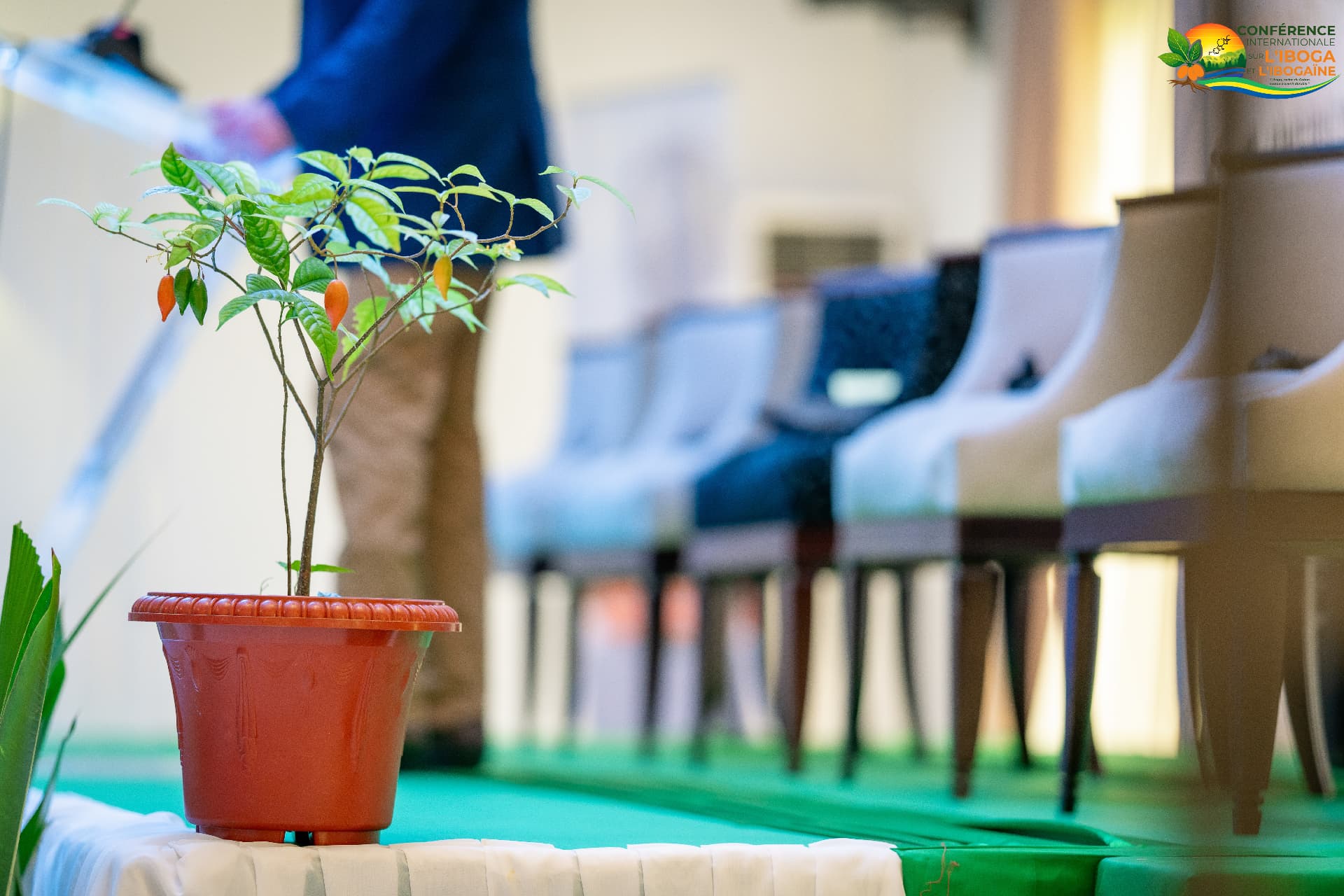
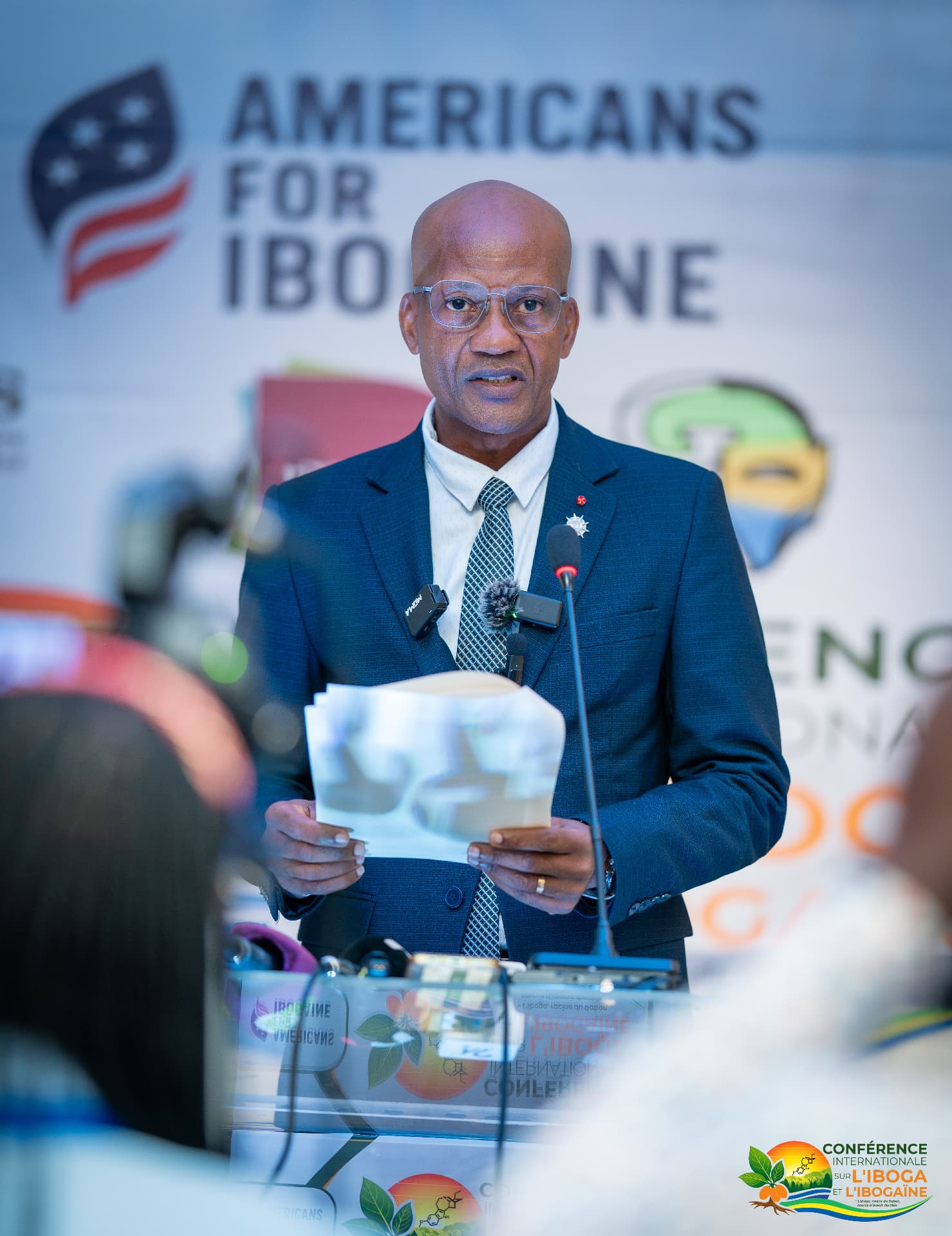
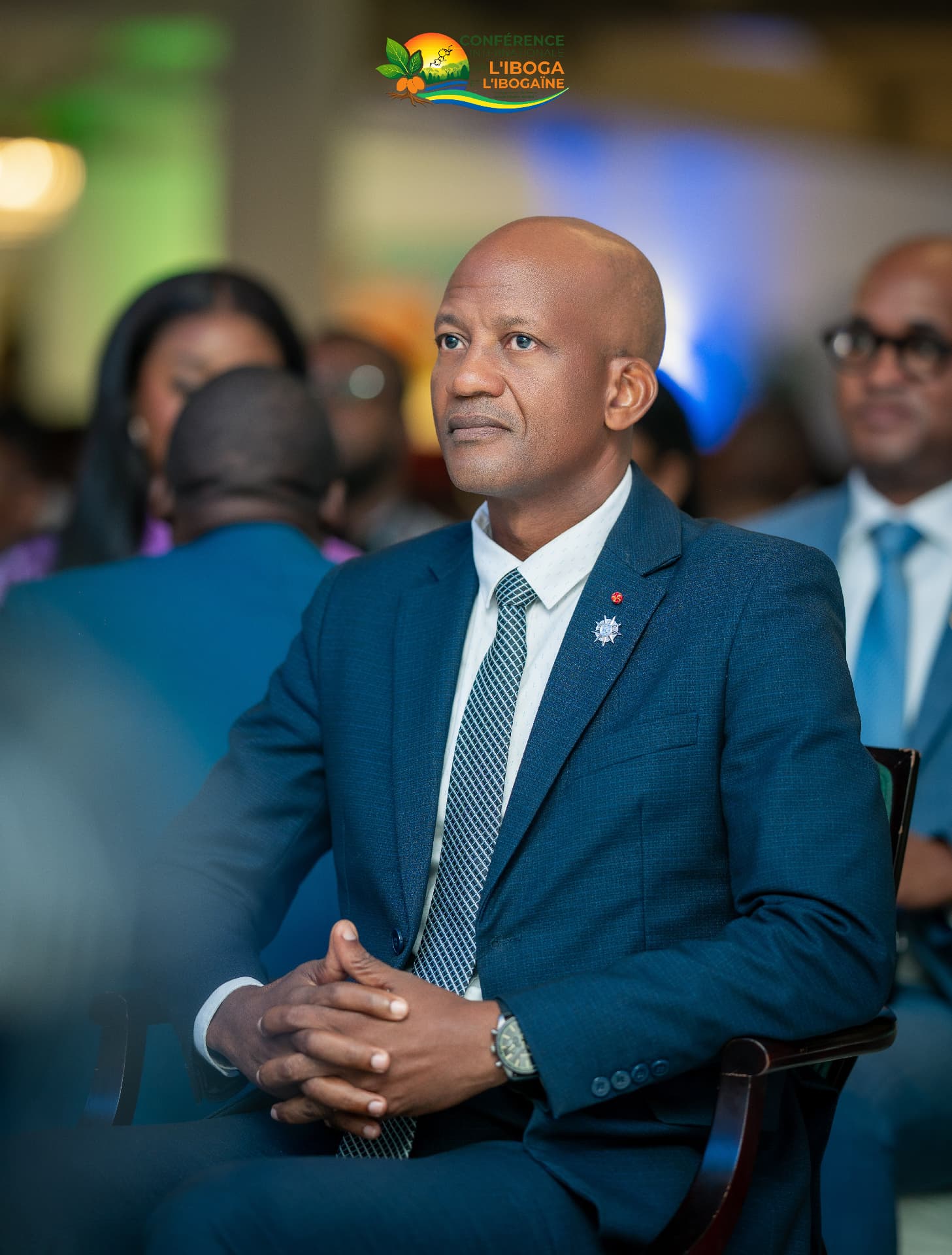
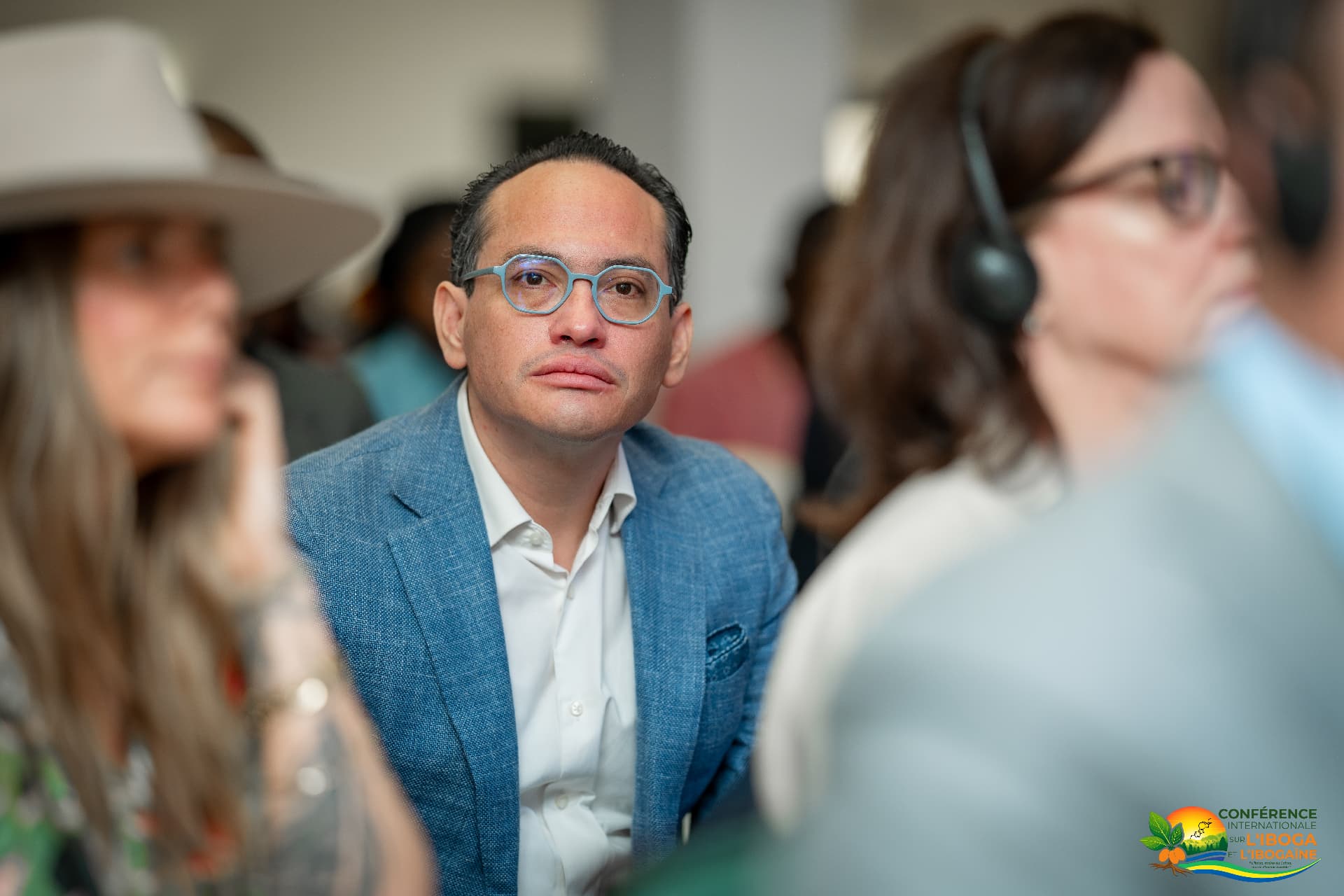
Conference gallery

This article reflects Reset Health's perspective on scientific and development considerations. It is provided for informational purposes only, does not constitute medical advice, and does not describe approved products, completed studies, or regulatory determinations. Development programs described are investigational and subject to scientific, legal, regulatory, and commercial uncertainty.
About Reset Health
Reset Health is a Gabon-rooted biotechnology company advancing plant-derived medicines through responsible sourcing, scientific characterization, and pharmaceutical development.
Related Insights

Building the Analytical Foundation for Iboga-Derived Materials
As interest in iboga grows, reliable characterization of complex botanical materials will be essential to reproducible science and responsible development.
June 18, 2026 · 5 min read
Read Article
Local Scientific Capacity as Infrastructure, Not Charity
Local scientific capacity is not a charitable addition. It is infrastructure that enables countries of origin to generate knowledge, build agency, and participate meaningfully in development.
May 2, 2026 · 8 min read
Read Article
Traceability Standards for Botanical Raw Materials
Credible botanical science requires more than analytical testing. Every material needs a verifiable history connecting its source, identity, handling, transformation, and quality data.
April 9, 2026 · 7 min read
Read Article